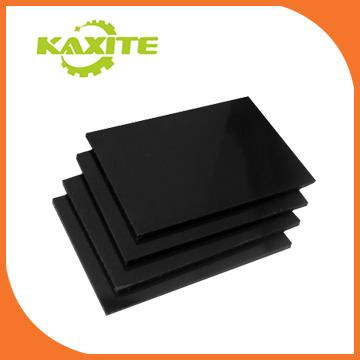
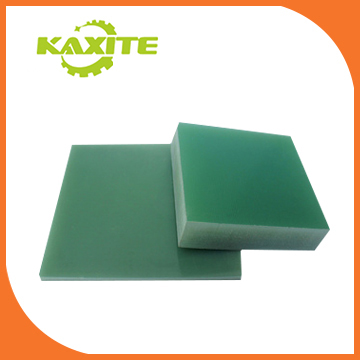
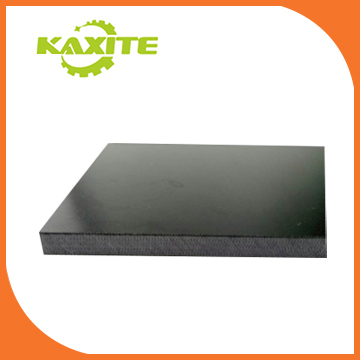
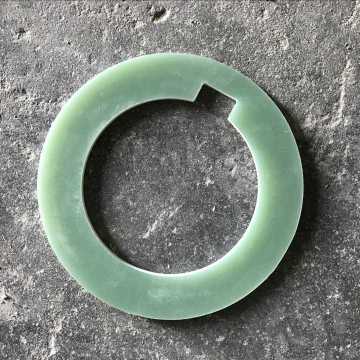
An Epoxy fiberglass sheet is a high-performance composite material formed by combining woven fiberglass cloth with an epoxy resin matrix. This combination results in a rigid, flat panel renowned for its exceptional strength-to-weight ratio, outstanding electrical insulation properties, and remarkable resistance to chemicals, moisture, and corrosion. Unlike standard plastics or metals, epoxy fiberglass sheets offer a unique set of characteristics that make them indispensable in demanding industrial, electrical, and construction applications. The epoxy resin thoroughly saturates and binds the fiberglass reinforcement, creating a homogeneous, non-porous sheet with superior dimensional stability and mechanical integrity. At Kaxite Sealing, we engineer these sheets to meet the highest standards, ensuring reliability in the most challenging environments.
Choosing the right material is critical for project success. Our epoxy fiberglass sheets provide a comprehensive solution with a multitude of advantages:
To ensure you select the perfect material for your application, Kaxite Sealing offers epoxy fiberglass sheets in various grades and with precise specifications. Below are the detailed parameters of our standard product line.
| Property | Test Method | Standard Grade | FR-4 Grade (Flame Retardant) | High-Temp Grade |
|---|---|---|---|---|
| Specific Gravity | ASTM D792 | 1.8 - 2.0 | 1.8 - 2.0 | 1.9 - 2.1 |
| Tensile Strength | ASTM D638 | 30,000 - 40,000 psi | 28,000 - 38,000 psi | 35,000 - 45,000 psi |
| Flexural Strength | ASTM D790 | 50,000 - 65,000 psi | 48,000 - 62,000 psi | 55,000 - 70,000 psi |
| Dielectric Strength | ASTM D149 | 400 - 550 V/mil | 350 - 500 V/mil | 450 - 600 V/mil |
| Volume Resistivity | ASTM D257 | 1x10¹³ Ω·cm | 1x10¹² Ω·cm | 1x10¹³ Ω·cm |
| Water Absorption (24hr) | ASTM D570 | 0.1% max | 0.1% max | 0.08% max |
| Continuous Service Temperature | - | 130°C (266°F) | 130°C (266°F) | 180°C (356°F) |
| Flame Rating | UL 94 | HB | V-0 | V-1 |
Kaxite Sealing provides a wide range of sizes to fit diverse project requirements. Custom sizes are available upon request.
The versatility of epoxy fiberglass sheets from Kaxite Sealing makes them suitable for a vast array of industries. Their unique properties solve complex engineering challenges.
Q: What is the main difference between an epoxy fiberglass sheet and a polyester fiberglass sheet?
A: The core difference lies in the resin system. Epoxy resin offers superior adhesion, higher mechanical strength, better chemical resistance, and lower shrinkage during curing compared to polyester resin. Epoxy fiberglass sheets generally provide better performance in demanding structural and corrosive environments, while polyester-based sheets are often a more cost-effective option for less critical applications.
Q: Can Kaxite Sealing epoxy fiberglass sheets be machined easily?
A: Yes, they are highly machinable. You can successfully cut, drill, mill, tap, and route these sheets using standard carbide-tipped or high-speed steel tools. We recommend using sharp tools and securing the sheet properly to prevent chipping. Using coolant or dust extraction is advised to manage heat and particles during machining.
Q: How does the flame retardant (FR-4) grade differ from your standard grade?
A: Our FR-4 grade is specially formulated with additives, typically brominated compounds or phosphorus-based systems, to achieve a UL 94 V-0 flame rating. This means it will stop burning within 10 seconds after the ignition source is removed and does not drip flaming particles. The trade-off is a slight reduction in certain mechanical and electrical properties (as seen in the comparison table) compared to the standard grade, but it is essential for safety in electrical enclosures, public transportation, and building materials.
Q: What is the maximum continuous operating temperature for your sheets?
A: Our standard and FR-4 grades are rated for continuous service at temperatures up to 130°C (266°F). We also offer a high-temperature grade specifically designed to withstand continuous exposure up to 180°C (356°F), which is ideal for applications near motors, generators, or in high-heat industrial settings.
Q: Are epoxy fiberglass sheets resistant to weathering and UV exposure?
A: While epoxy fiberglass has excellent moisture and chemical resistance, the epoxy resin can undergo gradual surface degradation (chalking or yellowing) when exposed to prolonged direct sunlight (UV radiation). For outdoor applications, we recommend applying a protective UV-resistant gel coat or paint, or considering alternative materials like polycarbonate or UV-stabilized polyester composites for the outer layer.
Q: How should I clean and maintain an epoxy fiberglass sheet surface?
A: Maintenance is straightforward. For general cleaning, use a soft cloth with mild soap and water. For removing tougher stains, grease, or chemical residues, isopropyl alcohol or common non-abrasive industrial cleaners can be used. Avoid using abrasive pads or harsh solvents like acetone or strong acids, as they may damage the resin surface.
Q: Can these sheets be bonded or painted?
A: Absolutely. For bonding, surfaces should be lightly sanded and cleaned with a solvent like isopropanol to ensure a strong bond. Epoxy-based adhesives generally provide the best results. For painting, an epoxy-compatible primer should be used first to ensure proper paint adhesion and a durable finish.
Q: Does Kaxite Sealing offer custom fabrication services?
A: Yes, in addition to supplying standard and custom-sized sheets, Kaxite Sealing provides precision fabrication services. We can deliver parts cut-to-size, drilled, routed, or machined to your exact specifications and technical drawings, helping to reduce your production time and waste.
Selecting Kaxite Sealing means partnering with a dedicated manufacturer committed to quality and consistency. We control our production process from raw material selection to final inspection, ensuring every sheet meets stringent performance criteria. Our technical support team is available to assist with material selection, application engineering, and fabrication advice. We understand the critical nature of your projects and provide reliable, high-performance epoxy fiberglass composite solutions that engineers and fabricators have trusted for years.
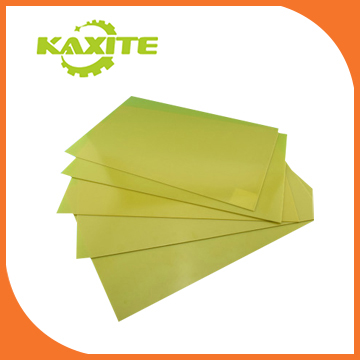
3240 Insulating Epoxy Sheet / Epoxy Insulation Sheet is made of alkali-free E-glass cloth impregnated with epoxy resins and phenolic resins by processing under heat and high pressure.Insulating Material 3240 Epoxy Sheet having high mechanical and dielectric properties, good heat and humidity resistance, can be used in electrical motors, engines and devices as insulating construction parts in moist cirecumstances and in transformer oil.
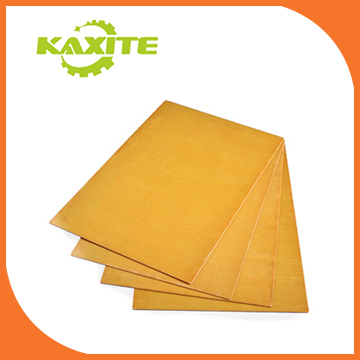
1.Description of 3240 epoxy fiberglass laminated sheets This product is made of epoxy resin and fiberglass cloth, the model is 3240, it has high mechanical properties in the medium temperature. Suitable for the high insulation structure of mechanical,electrical and electronic components. Epoxy woven glass fabric Laminated Sheet, made into highly insulating parts of machinery an electrical equipment, and have good electrical and mechanical performance under normal condition. 2. Applications of 3240 epoxy fiberglass laminated sheets 1) Used in the mechanical performance requirements of a high motor, electrical equipment and insulating structural parts 2) ICT, ITE rule the processing of the insulation parts,Test fixtures,silicon rubber keypads mold 3) Fixture plate , mold plywood,countertops grinding plate,packaging machines,comb,etc
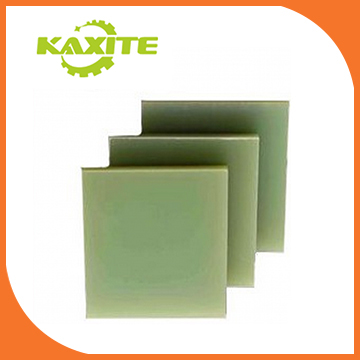
Yellow 3240 Epoxy Fiberglass Sheet/board in high quality
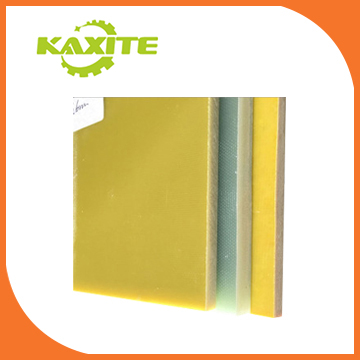
3240 Yellow Epoxy Glass Sheet / 3240 Yellow Epoxy Glass Sheet is made of alkali-free E-glass cloth impregnated with epoxy resins and phenolic resins by processing under heat and high pressure.This product having high mechanical and dielectric properties, good heat and humidity resistance, can be used in electrical motors, engines and devices as insulating construction parts in moist cirecumstances and in transformer oil.