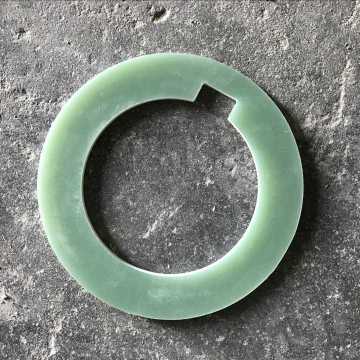
Understanding PA6 Sheet: A High-Performance Engineering Polymer
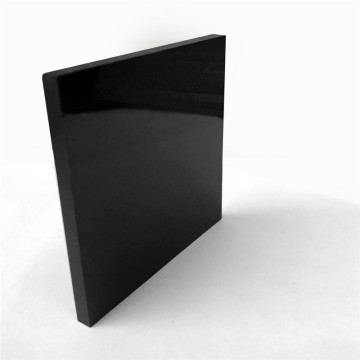
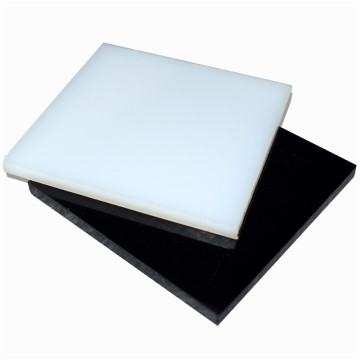
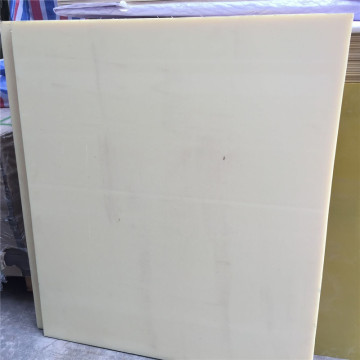
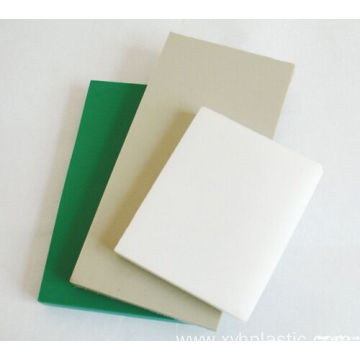
Also known as Nylon 6, PA6 Sheet is a versatile and widely used thermoplastic known for its exceptional balance of strength, toughness, and wear resistance. At Kaxite Sealing, we specialize in providing premium-grade PA6 sheets that meet the demanding requirements of diverse industrial applications. This material is engineered from polyamide 6 resin, offering a unique combination of mechanical properties, chemical resistance, and machinability, making it a first-choice solution for designers and engineers.
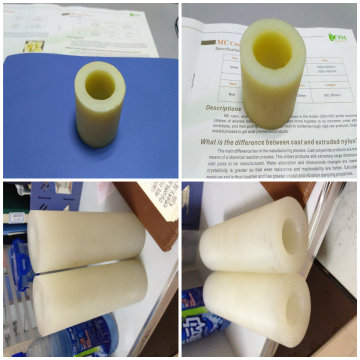
The manufacturing process at Kaxite Sealing ensures consistent quality, dimensional stability, and optimal performance. Our PA6 sheets are available in various grades, including natural, glass-filled, and oil-filled, to cater to specific environmental and load-bearing needs. From gears and bearings to insulators and custom components, PA6 sheet material provides reliable performance under challenging conditions.
Key Properties and Advantages of Kaxite Sealing PA6 Sheet
The popularity of PA6 sheets stems from their outstanding portfolio of properties. Below is a detailed overview of the core advantages that define our product.
- High Mechanical Strength & Stiffness: Excellent tensile and compressive strength, capable of withstanding significant loads and impacts without permanent deformation.
- Superior Wear & Abrasion Resistance: One of the standout features, making it ideal for moving parts subject to friction, such as bushings, rollers, and wear pads.
- Good Fatigue Resistance: Maintains integrity under cyclic loading, ensuring long-term durability in dynamic applications.
- Self-Lubricating Properties: Certain grades, especially oil-filled variants, offer low coefficients of friction, reducing the need for external lubrication.
- Resistance to Chemicals & Hydrocarbons: Performs well against many oils, greases, fuels, and alkaline solutions, though it is susceptible to strong acids and oxidizing agents.
- Ease of Machining: Can be easily machined, drilled, turned, and milled into precise, complex shapes using standard metalworking equipment.
- Electrical Insulation: Provides good dielectric properties, suitable for electrical insulators and components.
Technical Specifications & Data Sheet
For engineering and procurement decisions, precise technical data is crucial. The following table outlines the standard properties of Kaxite Sealing's natural PA6 sheet. Values may vary for reinforced grades.
| Property | Test Standard | Unit | Typical Value |
|---|---|---|---|
| Density | ISO 1183 | g/cm³ | 1.13 - 1.15 |
| Tensile Strength (Yield) | ISO 527 | MPa | 70 - 85 |
| Elongation at Break | ISO 527 | % | 30 - 60 |
| Flexural Modulus | ISO 178 | MPa | 2600 - 3200 |
| Izod Impact Notched (23°C) | ISO 180/1A | kJ/m² | 6 - 10 |
| Rockwell Hardness | ISO 2039-2 | M Scale | 85 - 95 |
| Melting Temperature | ISO 11357 | °C | 215 - 225 |
| Continuous Service Temperature | - | °C | -40 to +115 |
| Coefficient of Friction (Dry vs. Steel) | ASTM D1894 | - | 0.3 - 0.4 |
| Water Absorption (Saturation 23°C) | ISO 62 | % | Approx. 9.5 |
Available Grades & Forms at Kaxite Sealing
We offer a comprehensive range of PA6 sheets to address specific application challenges. Our product line includes:
- Natural (Unfilled) PA6: The standard grade offering the best overall toughness and impact resistance.
- Glass-Fiber Reinforced PA6 (PA6-GF): Contains glass fibers (typically 15%, 30%, or 50%) for significantly enhanced stiffness, dimensional stability, and heat deflection temperature. Ideal for high-load structural parts.
- Oil-Filled PA6: Impregnated with lubricating oil to provide superior self-lubrication, lower friction, and enhanced wear life for bearing applications.
- MoS2 (Molybdenum Disulfide) Filled: Offers improved lubricity and reduced wear, particularly in dry running conditions.
These materials are supplied in standard sheet sizes and thicknesses, and can be custom-cut to your specifications.
Frequently Asked Questions (FAQ) About PA6 Sheet
What is the main difference between PA6 (Nylon 6) and PA66 (Nylon 6,6)?
Both are polyamides, but they have different chemical structures. PA66 generally has a higher melting point, slightly better stiffness, and lower moisture absorption than PA6. However, PA6 typically offers better impact resistance, toughness, and processability. The choice depends on the specific requirements for heat, moisture, and mechanical stress in the application.
How does moisture absorption affect PA6 sheet?
PA6 is hygroscopic, meaning it absorbs moisture from the environment. This absorption can cause dimensional swelling (up to 1-2% in thickness) and a temporary reduction in stiffness and strength, while simultaneously improving toughness and impact resistance. For precision applications, it is often recommended to condition the material to a known moisture content before machining or use.
Can Kaxite Sealing PA6 sheets be used for food contact applications?
Our standard PA6 sheets are not specifically certified for direct food contact. For such applications, we recommend discussing your needs with our technical team, as special food-grade compliant or FDA-listed grades may be available or required to ensure safety and regulatory compliance.
What are the best practices for machining PA6 sheet material?
PA6 machines well with sharp, high-speed steel or carbide tools. Use high cutting speeds, low to moderate feed rates, and adequate cooling (compressed air is often sufficient) to prevent overheating and gumming. Ensuring the material is properly secured to minimize vibration will result in a better surface finish. For tight tolerances, account for potential moisture-related dimensional changes.
Is PA6 sheet resistant to UV exposure and weathering?
Standard PA6 has limited resistance to prolonged UV exposure and outdoor weathering, which can lead to surface degradation, discoloration, and embrittlement. For outdoor applications, we advise selecting UV-stabilized grades or considering alternative materials like acrylic (PMMA) or specific weathering-resistant polymers.
How do I choose between natural, glass-filled, and oil-filled PA6?
Select natural PA6 for general-purpose parts requiring good toughness and impact strength. Choose glass-filled PA6 when you need maximum stiffness, dimensional stability, and higher temperature resistance for structural components. Opt for oil-filled PA6 for applications involving sliding friction, such as bearings, gears, and wear strips, where self-lubrication is critical to reduce wear and maintenance.
What industries commonly use PA6 sheets from Kaxite Sealing?
Our PA6 sheets serve a broad spectrum of industries, including automotive (for pulleys, bushings, clips), mechanical engineering (for gears, bearings, rollers, machine guards), electrical (for insulators, connectors), material handling (for wear liners, guide rails), and general fabrication for custom jigs, fixtures, and low-weight structural parts.
Processing and Fabrication Guidelines
To achieve the best results with Kaxite Sealing PA6 sheet, follow these general processing guidelines:
- Sawing & Shearing: Use fine-toothed saw blades for cutting. Band saws and circular saws work effectively.
- Drilling & Tapping: Standard drill bits can be used. Clear chips frequently. Tapping is straightforward; slightly oversized holes may be needed for tight-tolerance threaded fits due to material elasticity.
- Milling & Turning: Employ sharp tools with positive rake angles. High surface speeds with moderate feed rates yield the best finish.
- Thermoforming: PA6 can be thermoformed within a specific temperature range (typically 180-220°C), but its crystallinity makes it less formable than some other thermoplastics. Careful control of temperature and time is essential.
- Joining: PA6 can be joined using mechanical fasteners, adhesives (specifically designed for polyamides), or welding techniques like hot plate welding or ultrasonic welding.